
Gardens and outdoor spaces designed to last.
From the first conversation to the finished space, we plan outdoor areas, shape gardens, and build patios, paths, and walls. Carefully crafted, with close attention to foundations, drainage, materials, and every detail throughout the work.
Our Core Services

Craft that shapes outdoor spaces for years.
Our work is shaped by careful planning, practical experience, and a clear eye for detail. Every project begins with the site itself: its layout, daily use, existing materials, and the ideas that should guide the finished design.
Together with a skilled team, we carry each project from the first concept to the completed space, combining reliable workmanship with thoughtful design and materials that sit naturally within their surroundings.

Garden & Landscape Design
Outdoor spaces where paths, patios, walls, and planting come together naturally. Discover More
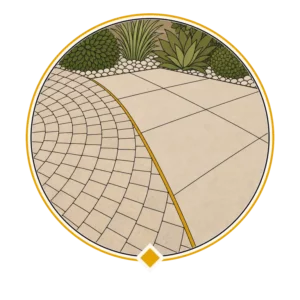
Paving & Surface Finishes
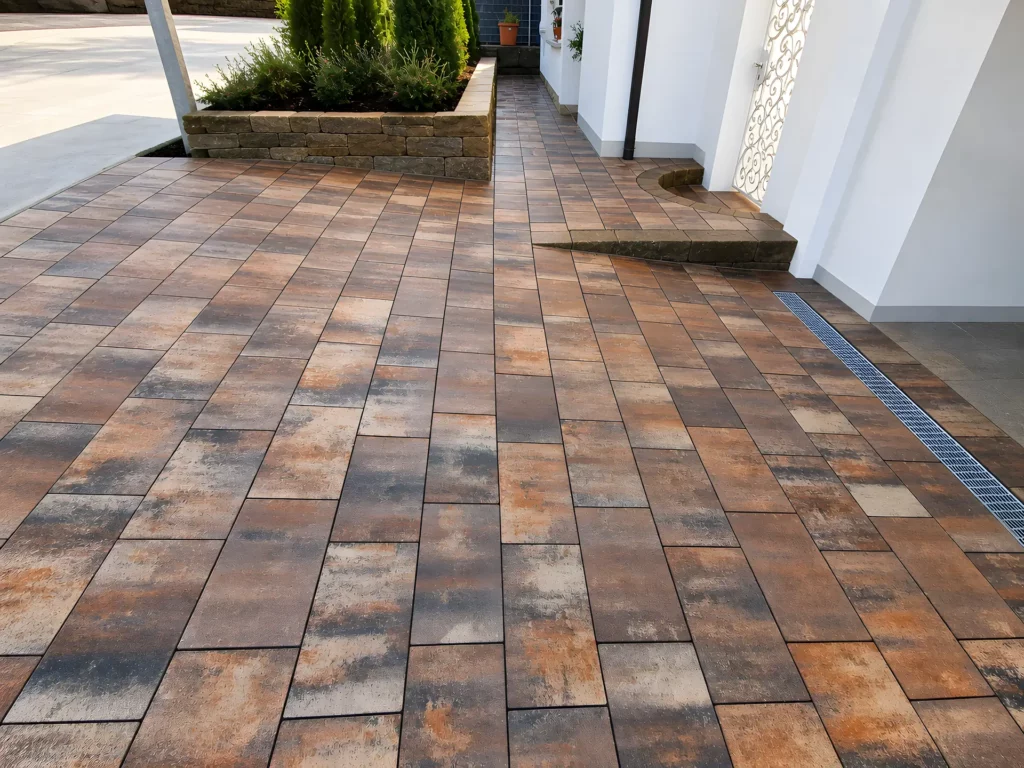
Patios, paths, and driveways with solid foundations and clean, even joints.Discover More

Retaining Walls
Safe, clearly planned solutions for changes in level and sloping ground.Discover More

Garden Screens
Sheltered garden areas in stone, timber, or metal, designed to fit their setting.Discover More

Fences & Gates
Strong boundaries and gate solutions, from open designs to full privacy.Discover More

Outdoor Steps
Safe, comfortable connections between entrances, patios, paths, and slopes.Discover More

Planting Design
Site-appropriate perennials, grasses, and shrubs for a balanced garden.Discover More

Turf Installation
Careful soil preparation and neatly laid turf for a smooth, even lawn.Discover More

Robotic Mower Setup
A suitable setup, charging station, and configuration for reliable mowing.Discover More
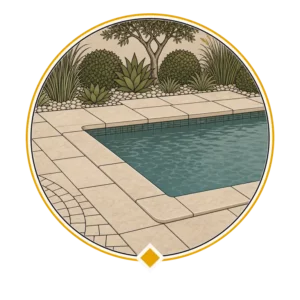
Pool Surrounds
Precisely laid stone and paving for a safe, refined finish around the pool.Discover More
One partner for your entire outdoor space.
Driveway, patio, walls, steps, lawn, and planting: we coordinate every part ourselves so the transitions between each area work cleanly together.
In Detail
Service Overview
For a clear overview, every service is explained in practical detail, including the planning and workmanship each project requires.
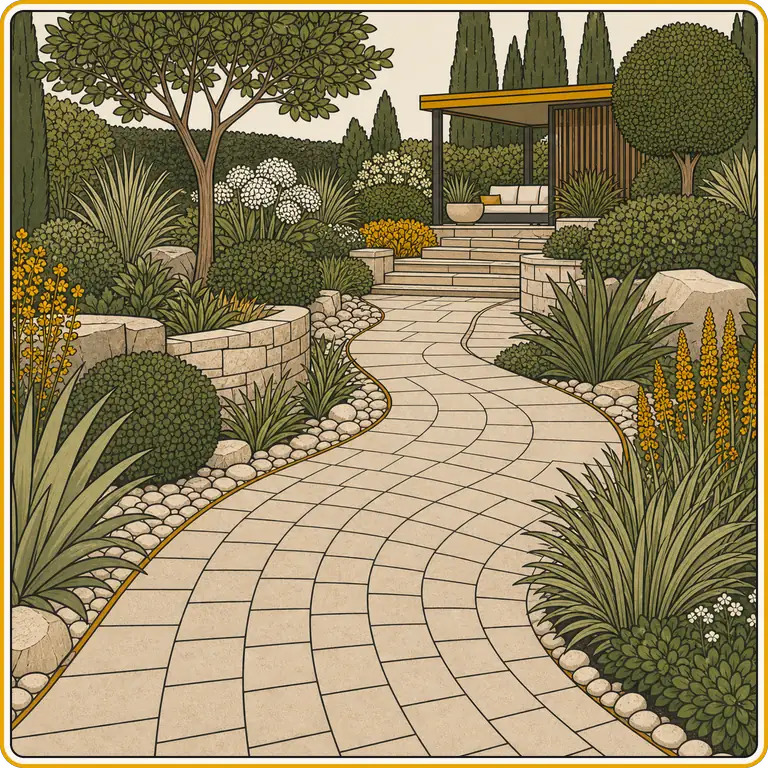
Garden & Landscape Design
A garden has to work in everyday life. It should suit the home, the site, and the people who use it. We plan and build outdoor spaces where paths, patios, walls, lawns, and planting work as one. Together, we define what matters most: more seating, clearer routes, easy-care beds, safe links between different levels, or a quiet corner to enjoy. Materials, shapes, and colors are then coordinated with the building and its surroundings. Soil conditions, slopes, drainage, access, and future maintenance are considered from the start. From a compact front garden to a generous family space, each layout is developed with clear decisions, practical details, and a finish that feels natural to the property. The result is a balanced plan that supports daily use and gives every part of the garden a clear purpose.
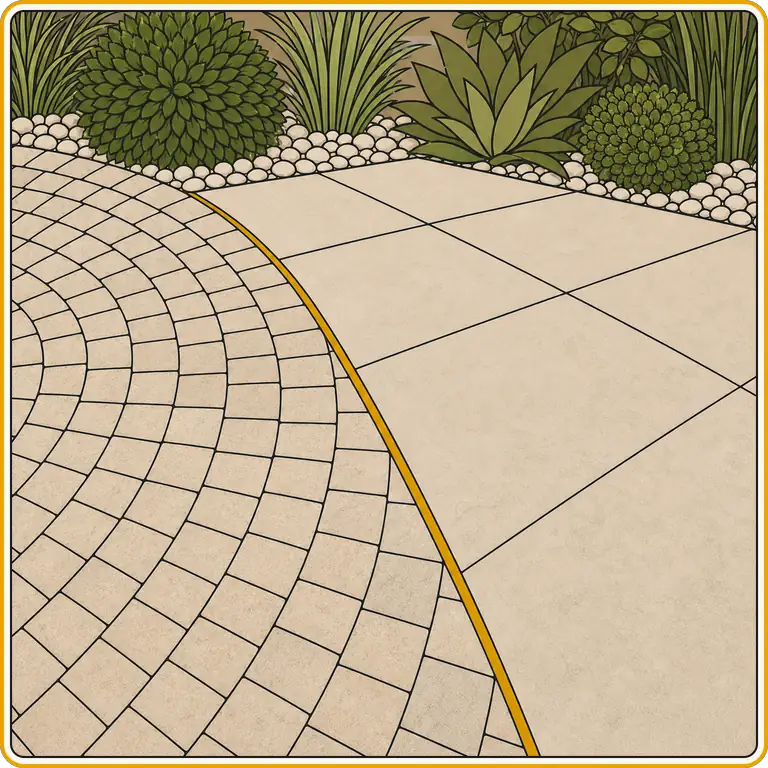
Paving & Surface Finishes
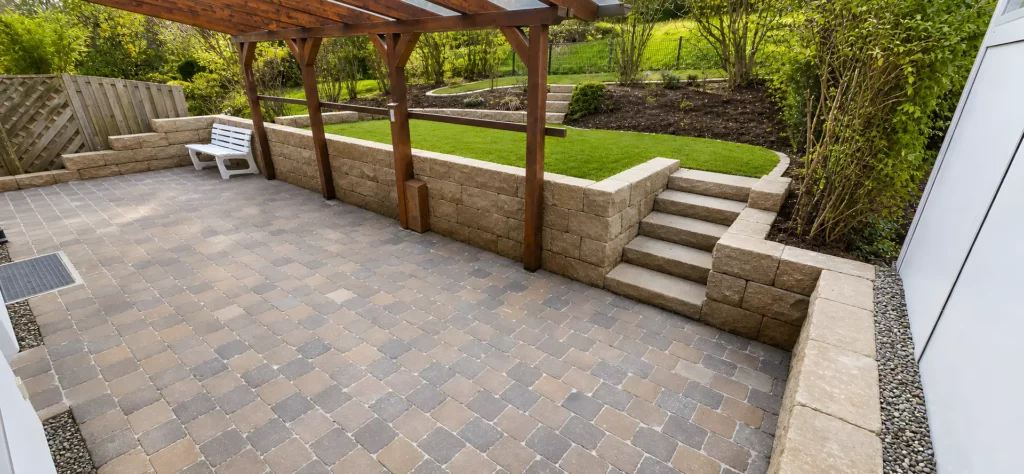
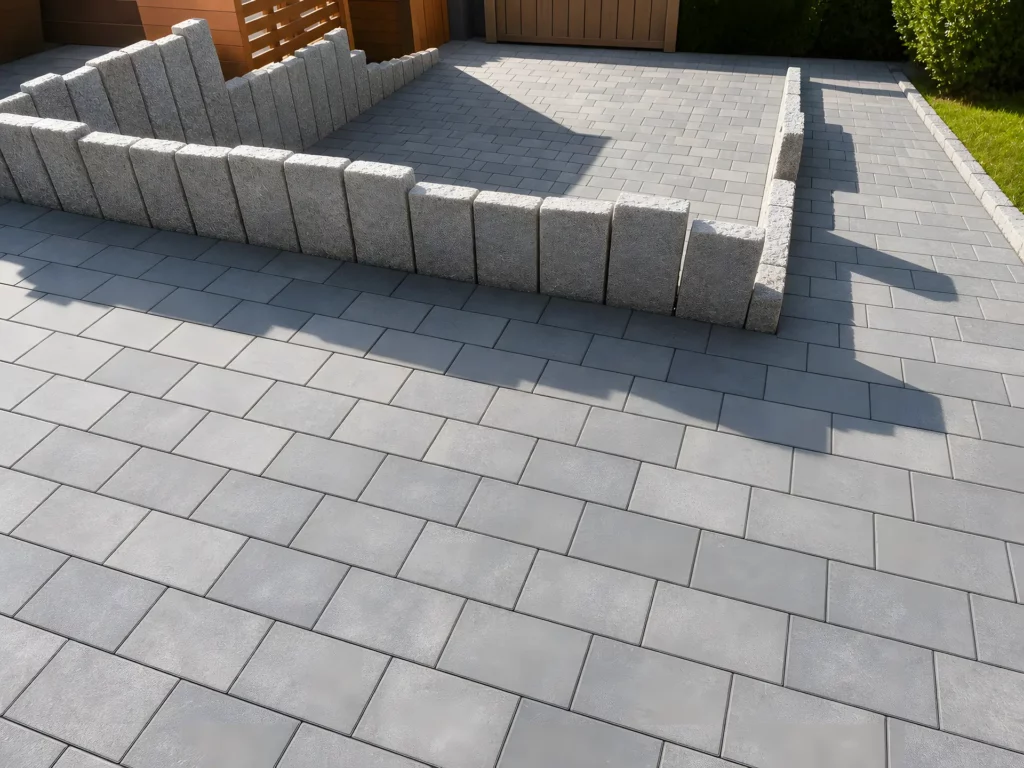
Paved areas and slab surfaces should look good, feel safe underfoot, and perform well for years. Patios, garden paths, entrances, courtyards, and driveways can be planned in concrete paving, natural stone, or porcelain to suit the property and its daily use. What sits below the surface matters just as much: a well-compacted base, clean edges, the correct fall, and reliable drainage. For large-format porcelain, the laying system, consistent joints, and neat transitions to doors, steps, and neighboring surfaces all need careful attention. Colors, formats, and laying patterns are selected to support the surrounding architecture. The result is a durable, easy-care surface with a calm appearance and details that remain practical in everyday use.
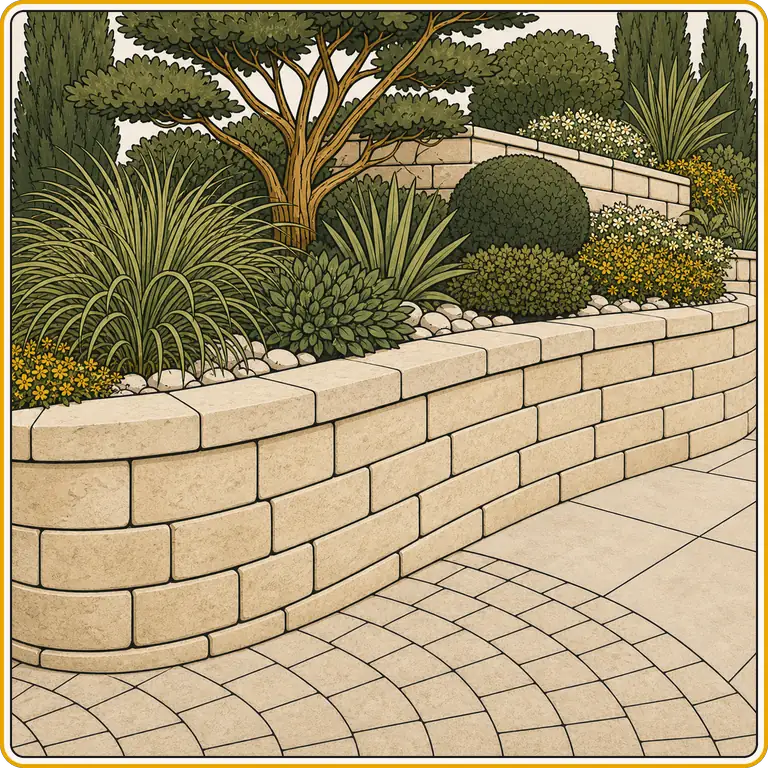
Retaining Walls
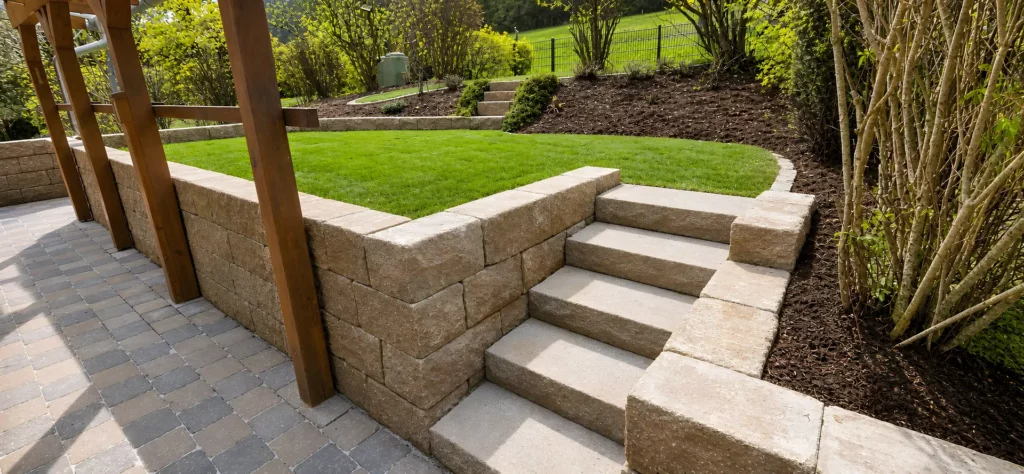
Retaining walls manage changes in level, hold back soil, and make sloping ground easier to use. For lasting performance, the wall system, foundation, backfill, drainage, and expected loads must work together. The right solution depends on the site, soil conditions, available space, and the look required for the garden. Natural stone, modular concrete blocks, L-shaped elements, and other systems can each suit different situations. A wall may also connect with patios, raised beds, paths, or steps to make adjoining areas easier to reach. Clear lines, secure connections, and controlled water flow behind the structure are essential. For greater heights or complex sites, planning requirements and local regulations should be checked before work begins. The finished wall should feel like a considered part of the landscape, not an isolated structure.
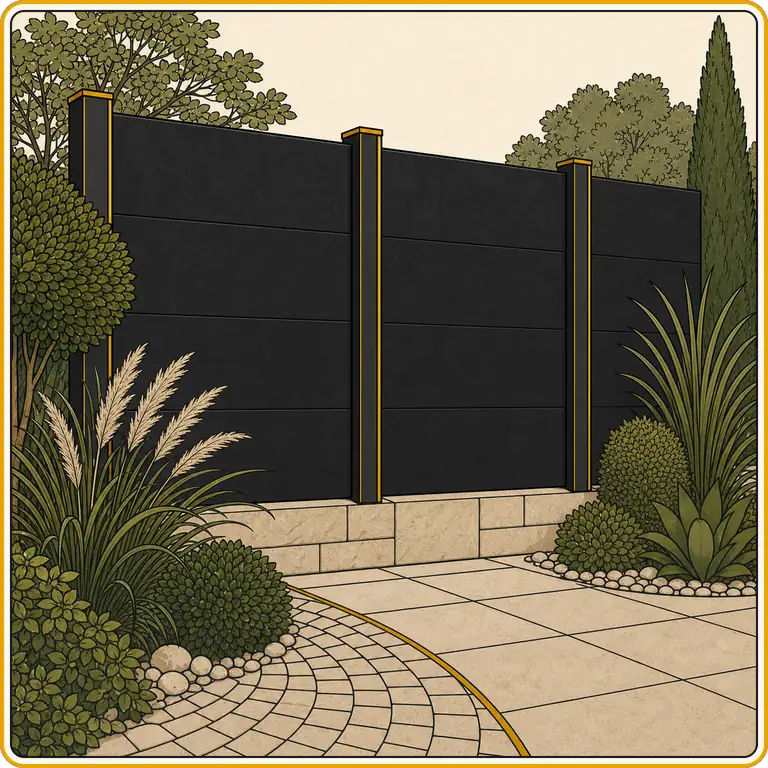
Garden Screens
Garden screens divide outdoor spaces without closing them off completely. They can create a sheltered seating area, separate a patio from a utility zone, or keep bins, bicycles, and garden equipment out of view. Position, height, spacing, and orientation should be chosen so privacy, daylight, circulation, and sightlines remain balanced. The design and materials can then respond to the home, the garden, and the effect the screen should create. Stone, timber, and metal may be used alone or combined with planting for a softer transition. A stable base, accurately aligned elements, and durable fixings support a clean result. Openings, access gates, and changes in level can be included from the start so the finished screen works naturally with the surrounding layout.
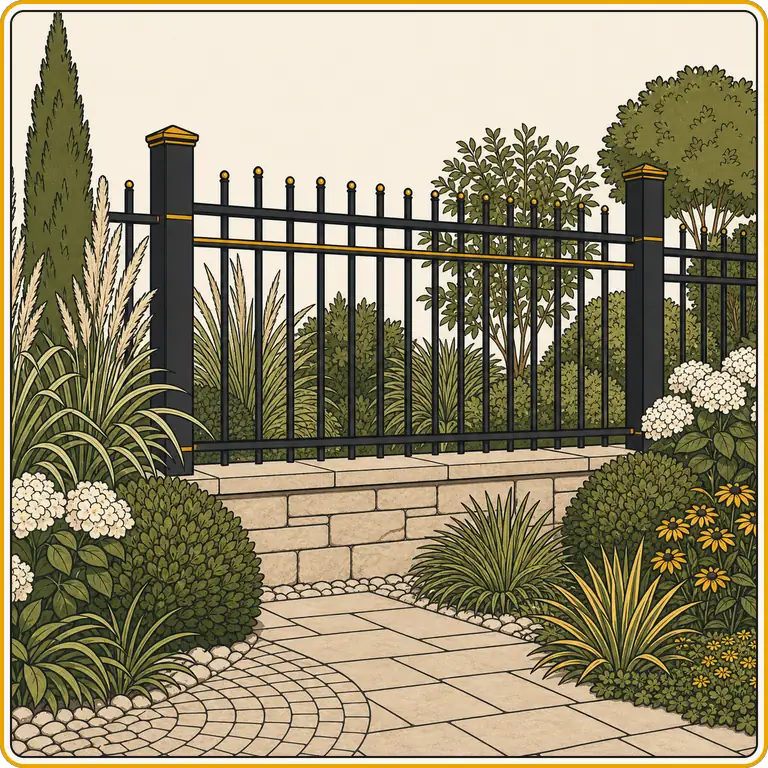
Fences & Gates
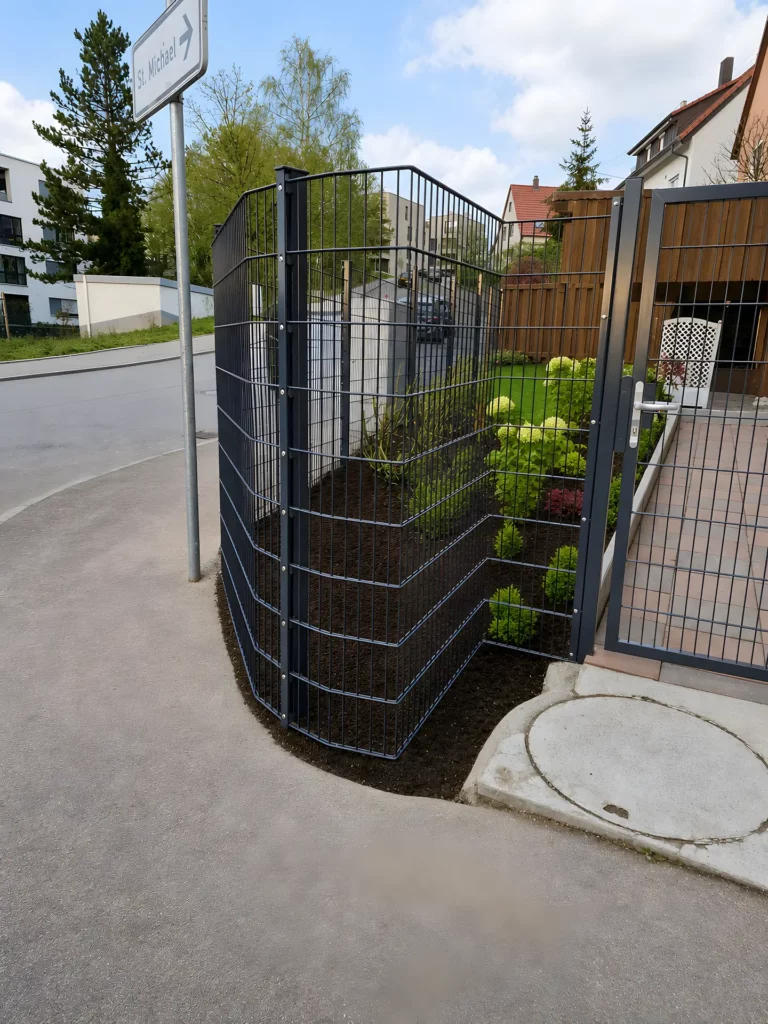
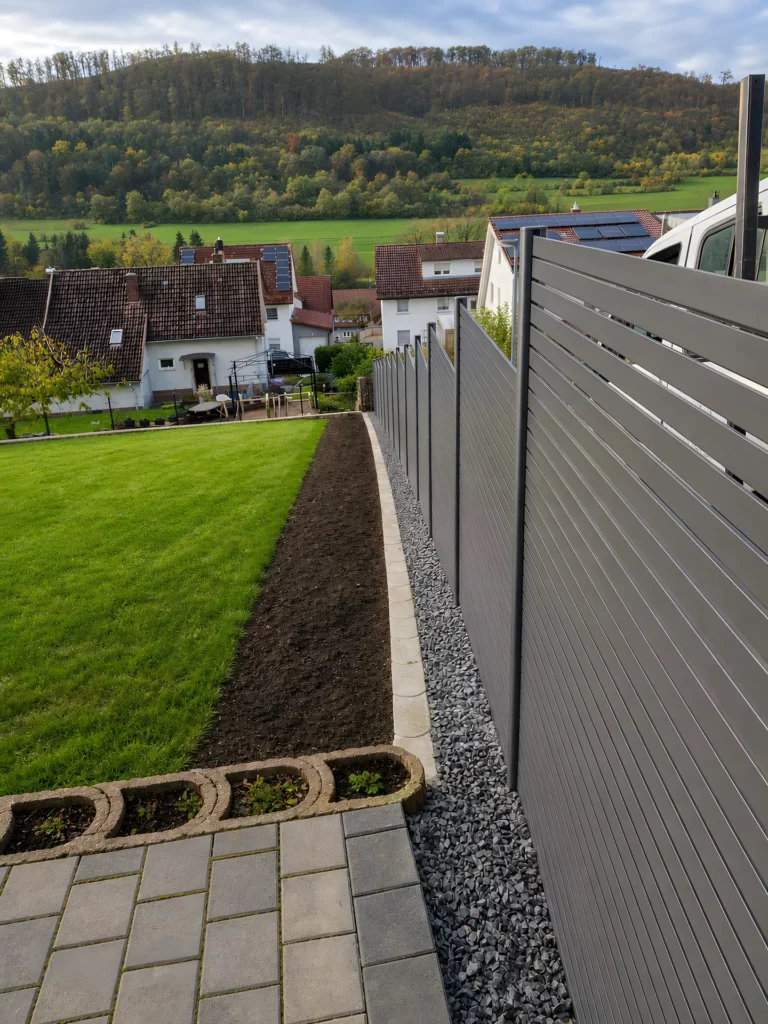
Fences define the edge of a property, support safety, and shape its first impression. The design should suit the home, the garden, and the way the outdoor area is used. An open boundary may preserve views, while a more enclosed solution can add privacy or help protect children and pets. Height, spacing, material, and gate layout are selected around those priorities. Metal, timber, composite, and wire systems can all work, either independently or in combination with walls and planting. The route of the fence, stable foundations, straight posts, and clean connections at entrances, paths, and level changes require careful planning. Depending on the chosen style, the finished boundary can sit quietly within the garden or become a deliberate architectural feature.
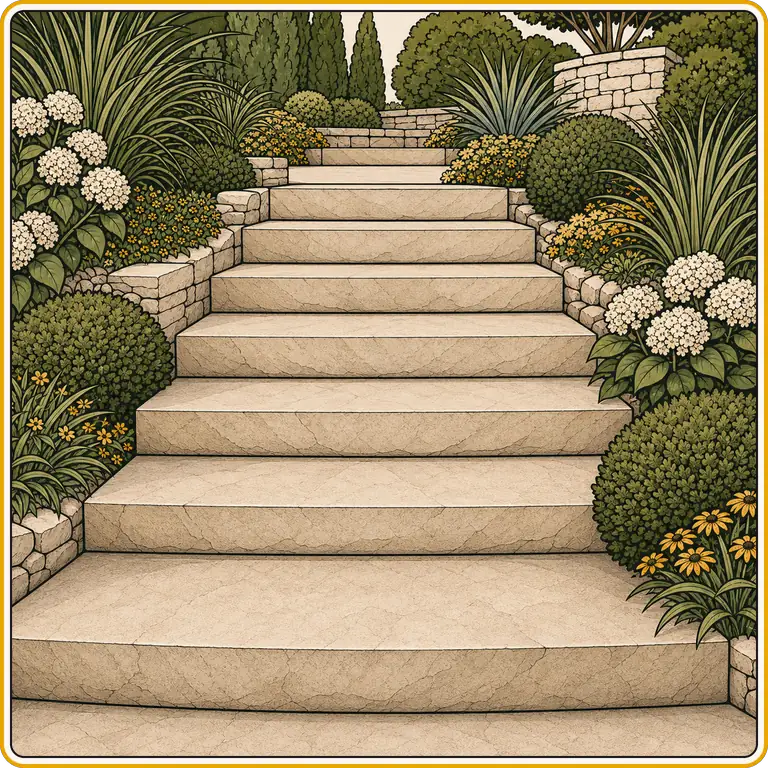
Outdoor Steps
Outdoor steps connect different levels and need to remain safe and comfortable in changing weather. They may serve entrances, patios, garden paths, or sloping parts of a site. The rise, tread depth, width, and route should be matched carefully to the available space and surrounding levels. Natural stone, concrete, paving, or combinations with retaining walls can each provide a suitable solution. A stable foundation helps prevent later movement, while the correct fall allows rainwater to drain in a controlled way. Consistent step heights, clearly visible front edges, and neat connections to existing paths and patios are just as important. The surrounding terrain, expected use, surface grip, and exposure to frost should all influence the material choice. Good planning turns a necessary level change into a calm, integrated part of the outdoor design.
Planting Design
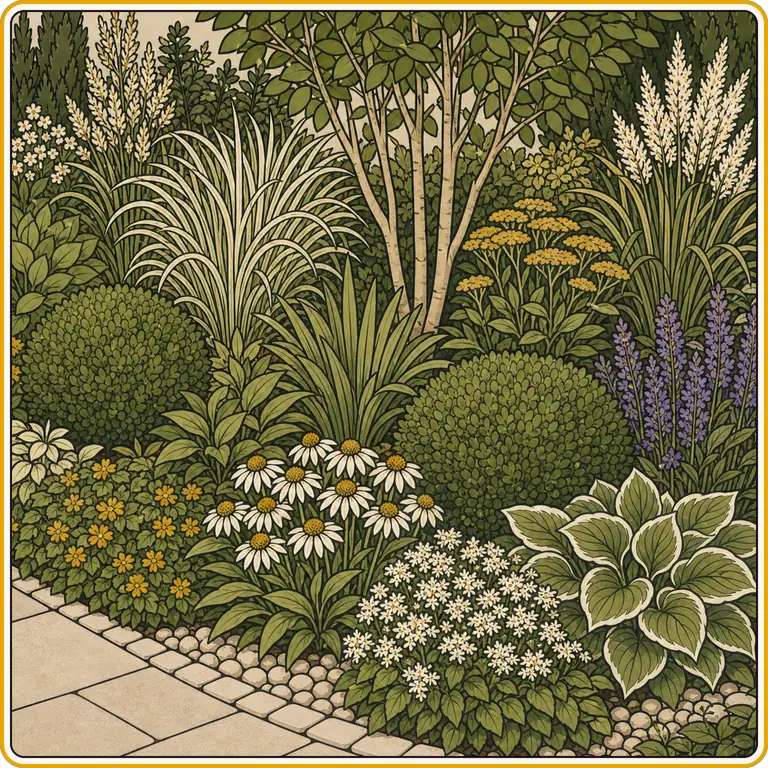
Plants bring color, structure, movement, and a distinct character to a garden. A successful selection responds to light levels, soil, water availability, available space, and the amount of care the planting should require. Heights, colors, textures, and flowering periods are coordinated so perennials, ornamental grasses, shrubs, and ground cover support one another across the seasons. Where needed, the soil is prepared and improved before planting begins. Appropriate spacing gives each plant room to establish, promotes healthy growth, and keeps future maintenance manageable. Whether the focus is a single bed, a front garden, or a complete new layout, the aim is a site-appropriate planting scheme that develops naturally over time. The result should feel balanced when first installed and gain depth as the garden matures.
Turf Installation
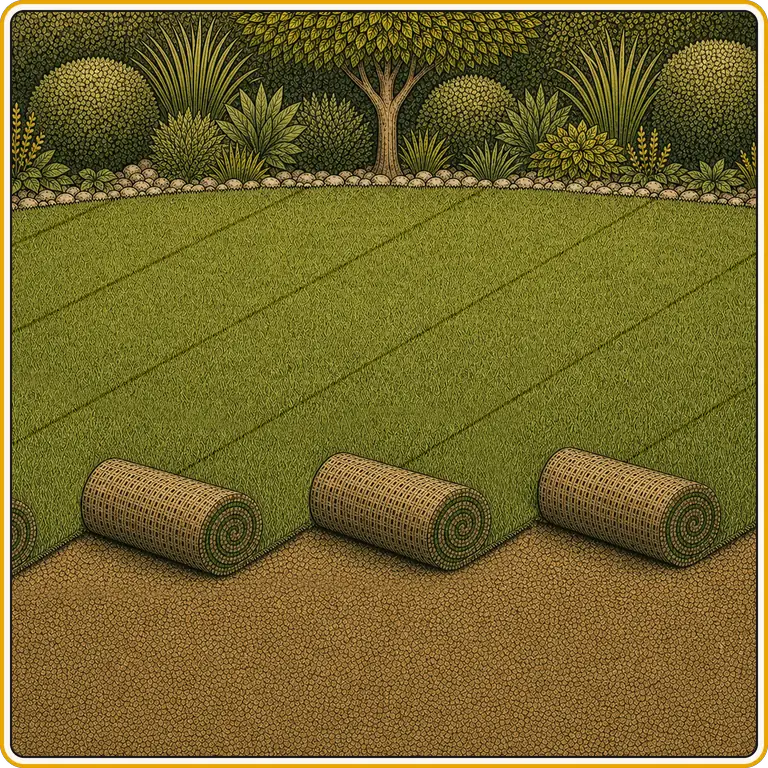
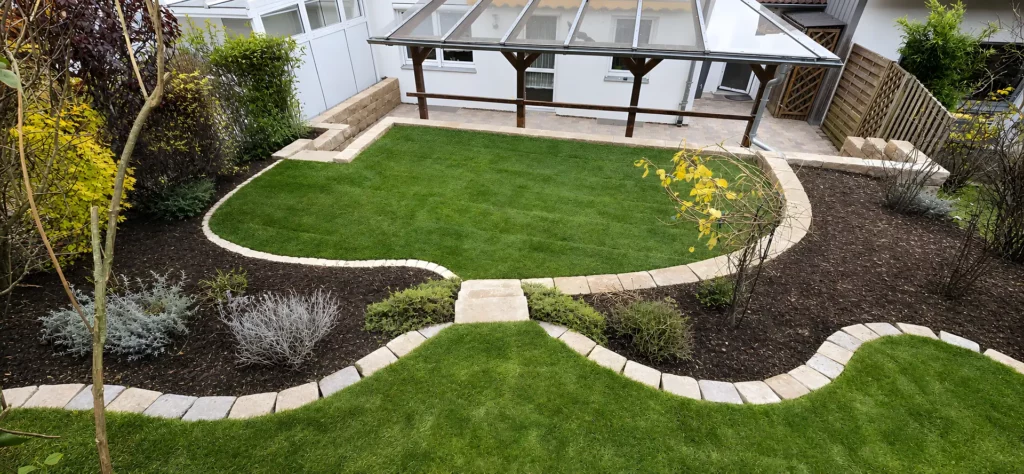
New turf can turn a prepared area into an even green lawn in a short time, but careful groundwork determines how well it establishes. Existing growth is removed, the soil is loosened, leveled, and improved where necessary, and a smooth final surface is prepared. Fresh turf rolls are then laid closely with staggered joints, trimmed neatly at the edges, and rolled into contact with the soil. The grass type should suit the intended use, available light, and level of wear. Edges, access points, and connections to beds or paving are shaped carefully so the finished area fits the surrounding garden. After installation, consistent watering is essential while the roots begin to grow into the soil below. The first cut, ongoing mowing height, and initial feeding also affect the result. Clear aftercare guidance helps the lawn settle evenly and supports a healthy, resilient surface for everyday use.
Robotic Mower Setup
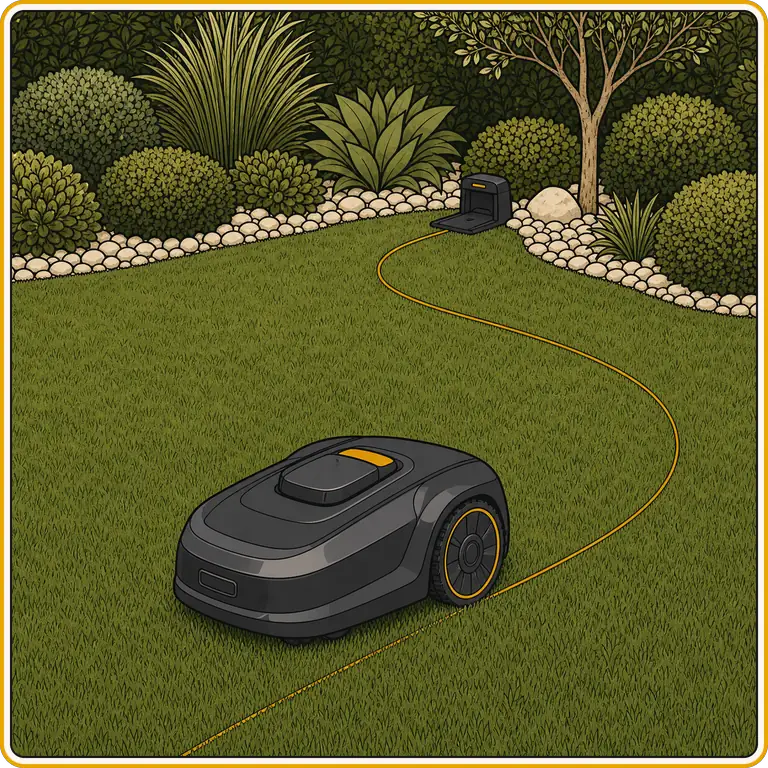
A robotic mower works reliably only when the machine and its setup suit the lawn. The area should be checked for size, slopes, narrow passages, beds, trees, separate zones, and other features that influence navigation. Depending on the system, boundary and guide wires are installed or a wireless navigation layout is configured. The charging station needs a stable power supply, suitable clearance, and an accessible position. Cutting height, mowing times, working zones, and return routes are then adjusted and tested. Once the route is working consistently, the main controls, cleaning steps, and routine settings can be explained clearly. A well-planned installation helps the mower cover the intended area and return to its station without unnecessary interruptions.
Pool Surrounds
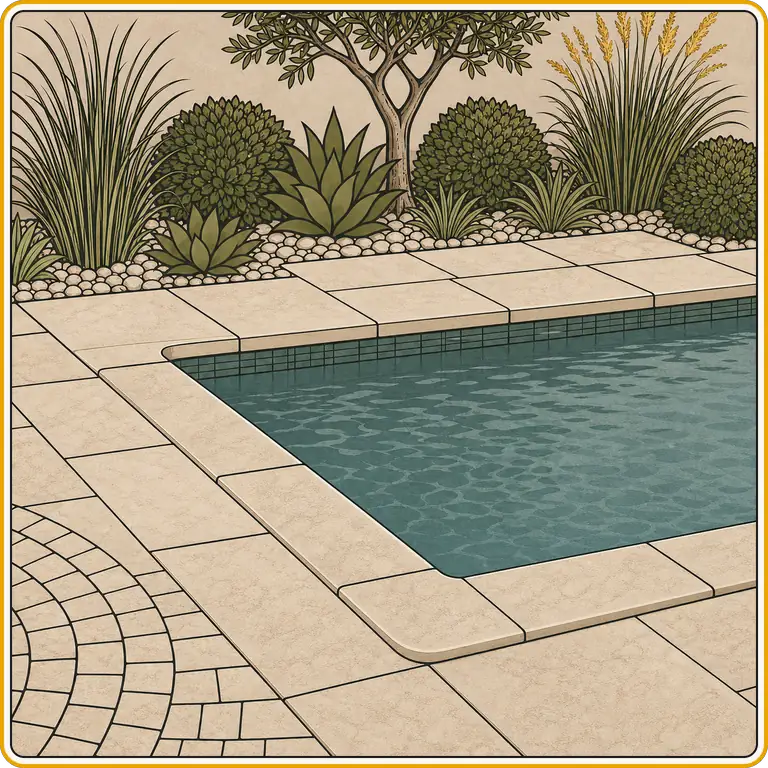
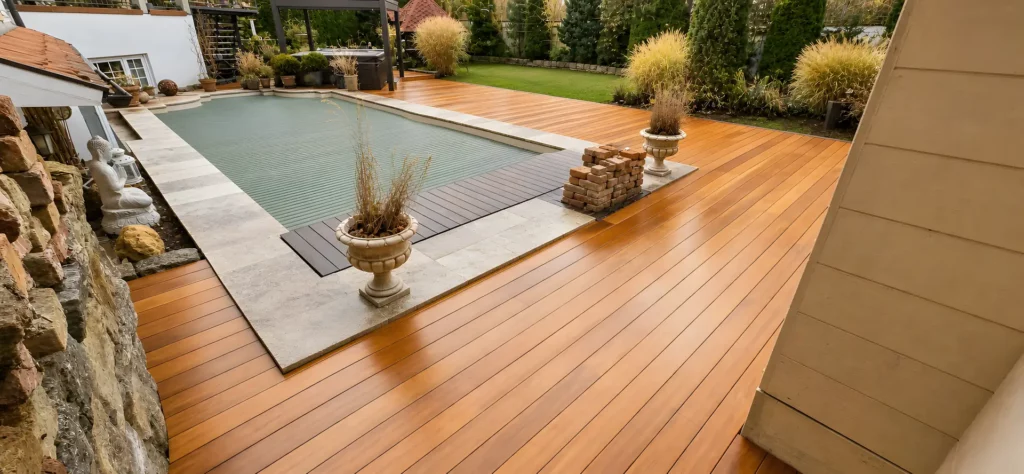
A well-planned surround defines the transition between the pool and the adjoining outdoor area. Width, material, format, and visual treatment should respond to the pool, patio, and garden as a whole. Connection heights, falls, drainage, and links to neighboring paths or lawn all need to be considered before installation. In a pool area, surfaces must sit securely, suit the intended use, and remain straightforward to clean. Slip resistance is an important part of the material choice. The base is prepared for the selected system, and each element is aligned carefully around corners, curves, covers, and built-in fittings. Clean edges and consistent joints help the pool feel integrated rather than added later. The finished surround should provide a safe, durable border and a calm visual connection to the rest of the garden.
Care that still shows years later.
Even joints, clean edges, and balanced transitions stand out at once. Whether they last depends on the base, the gradient, and reliable drainage beneath.
Our Projects
Projects that speak for themselves
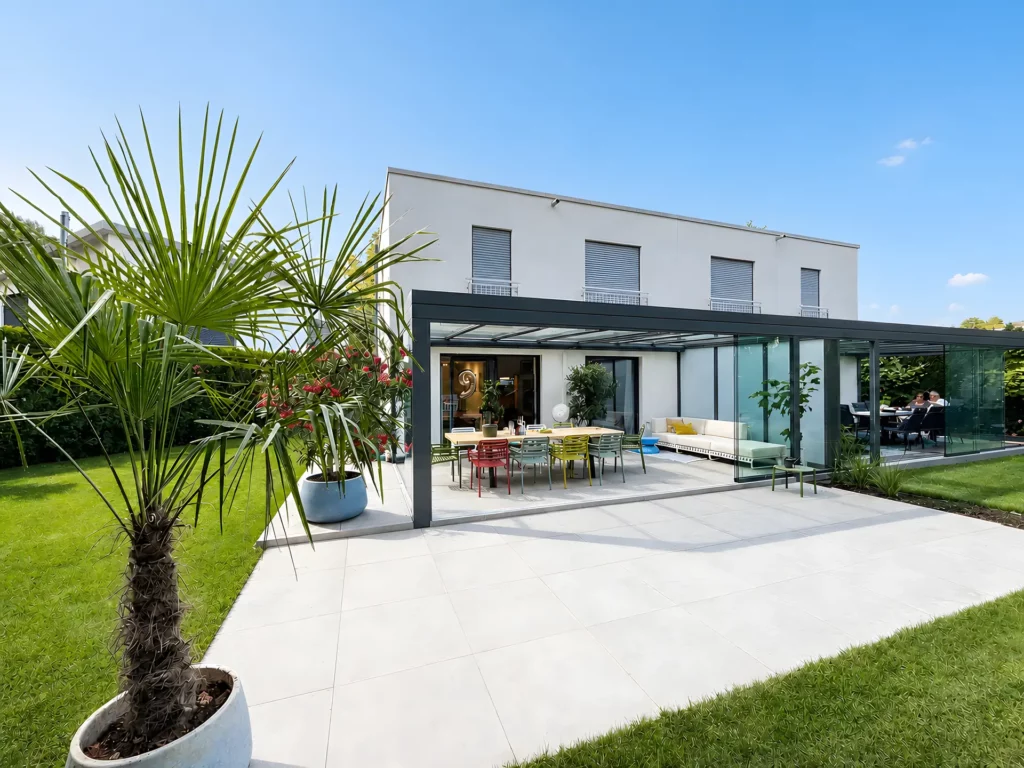
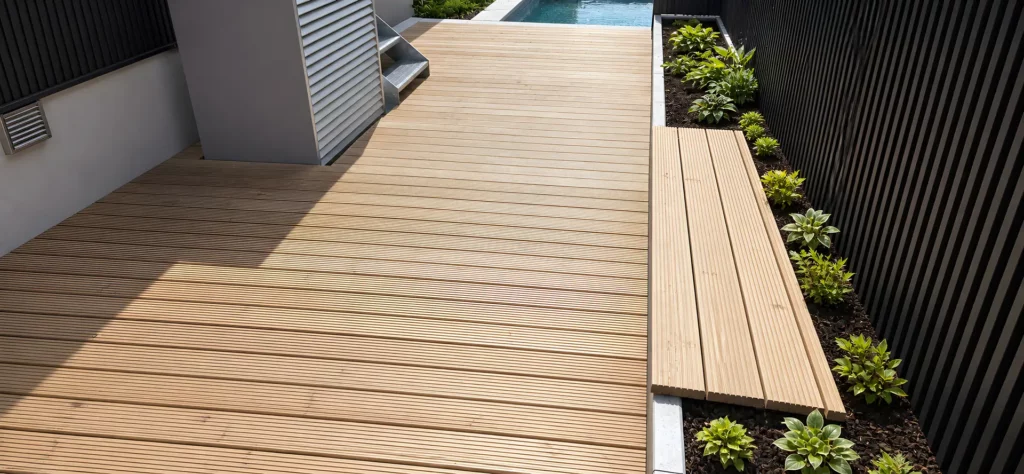
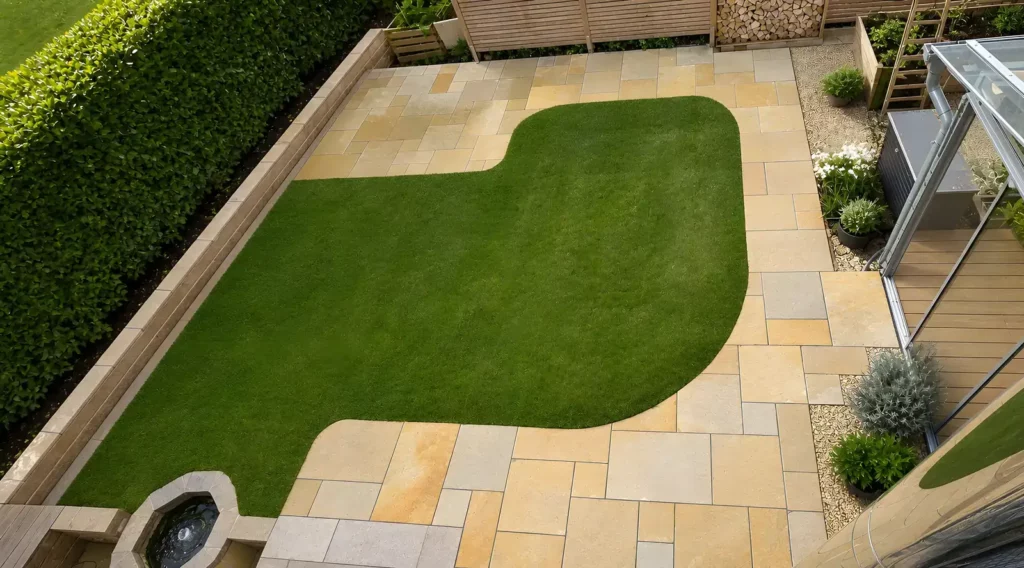
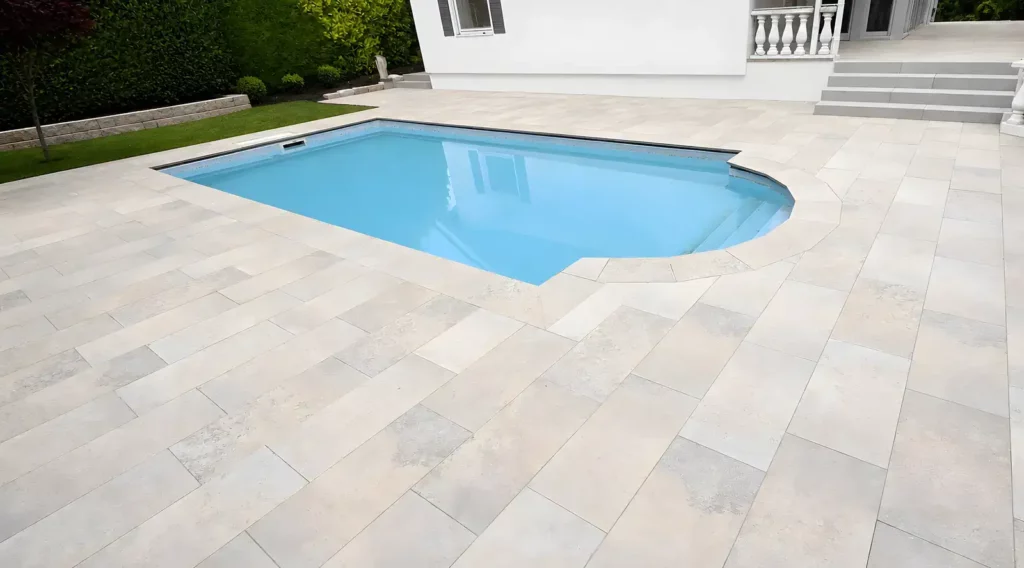
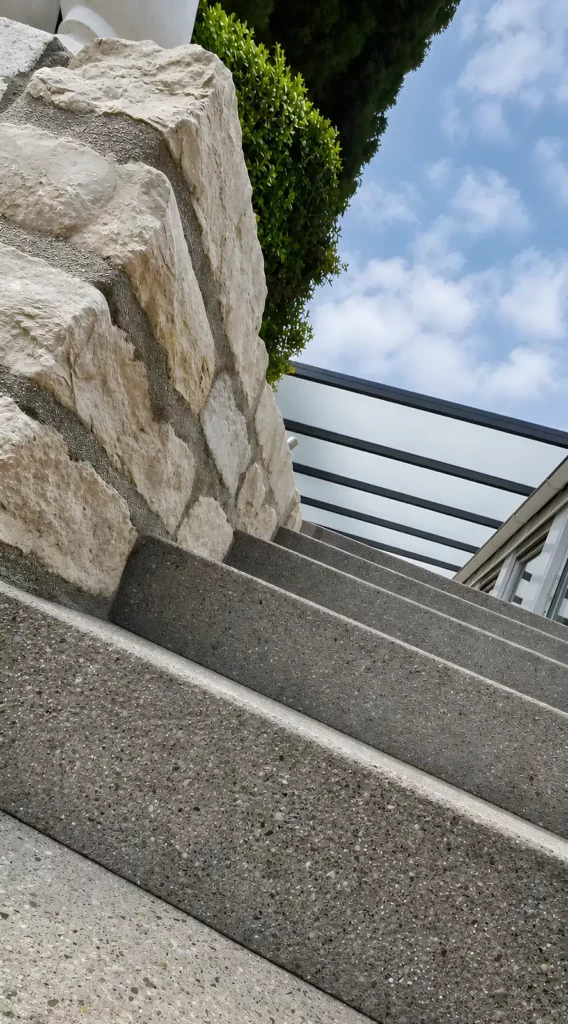
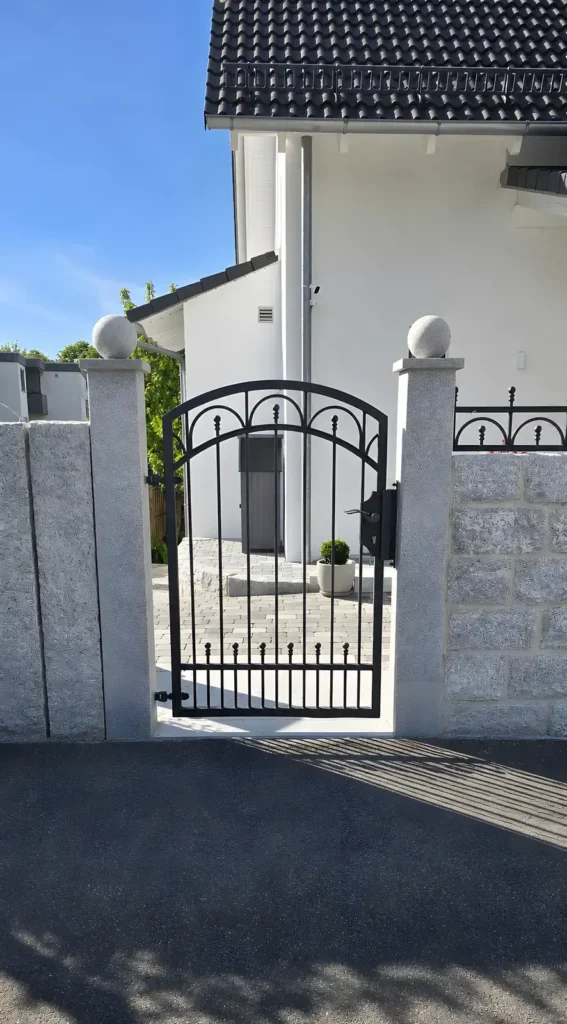
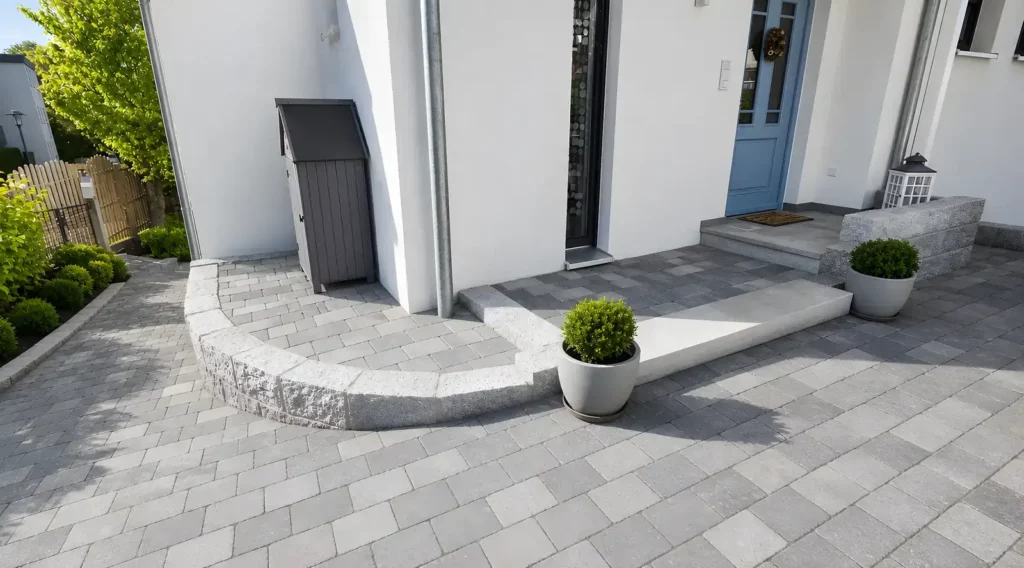
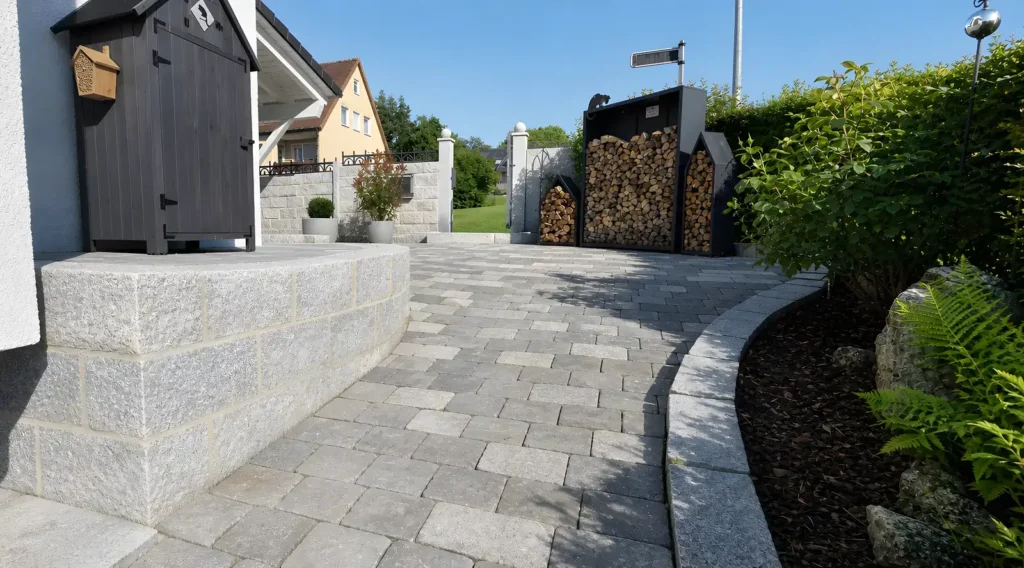
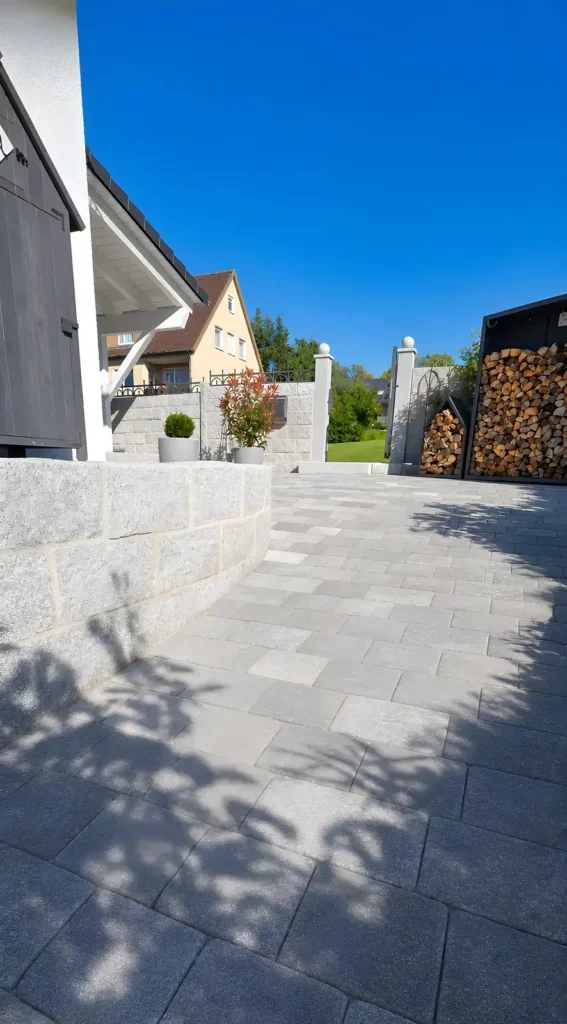
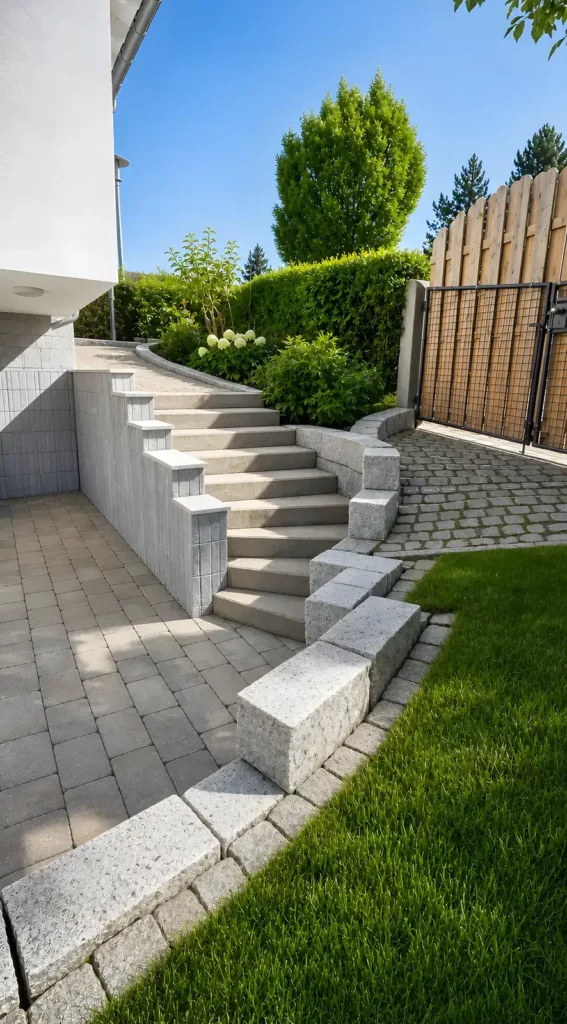
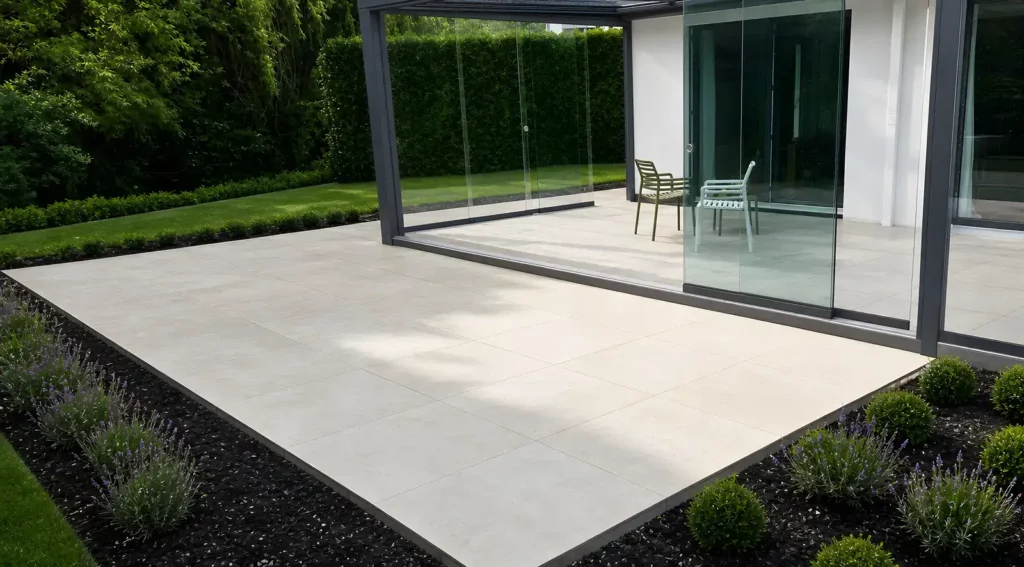
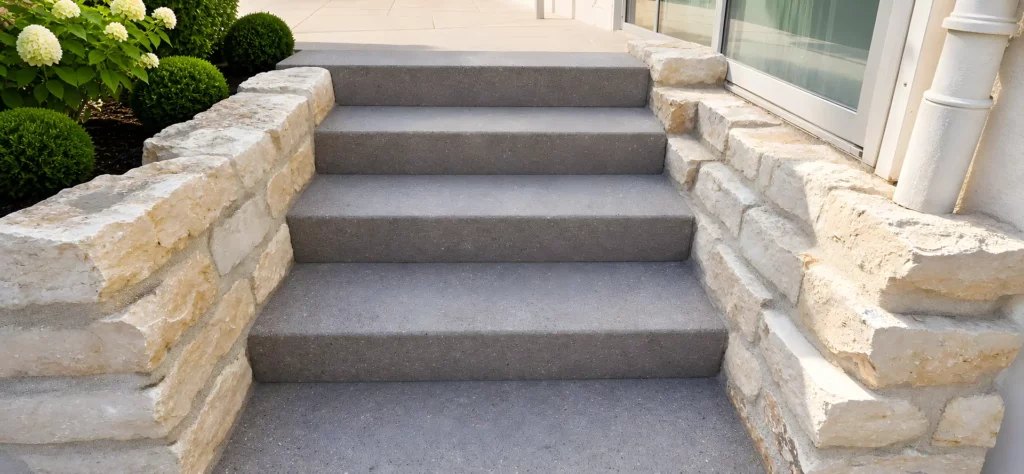
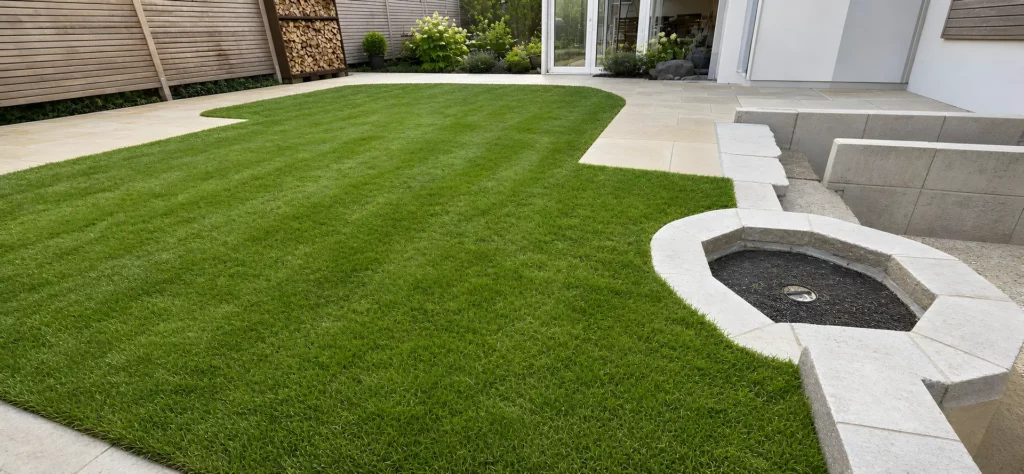
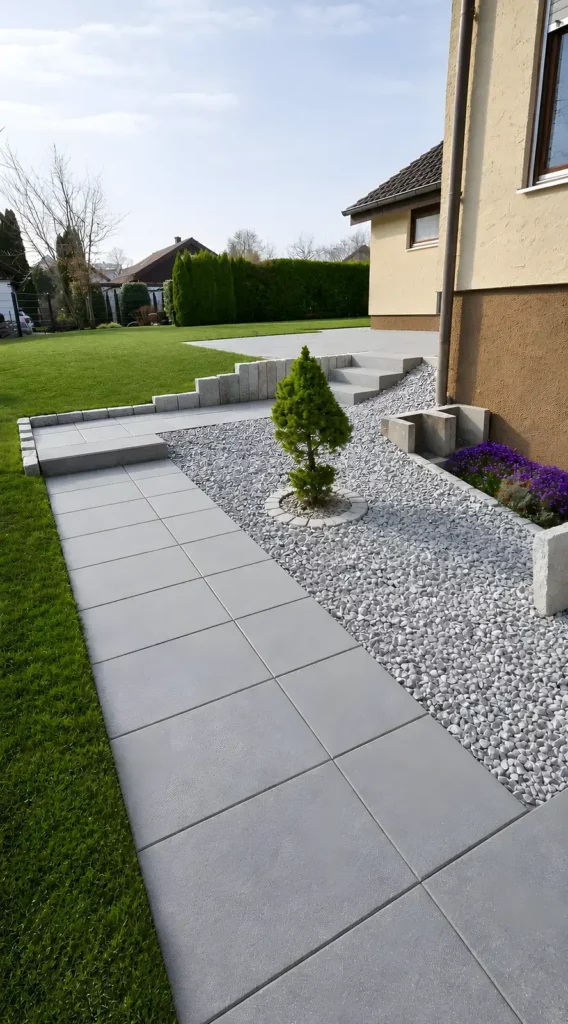
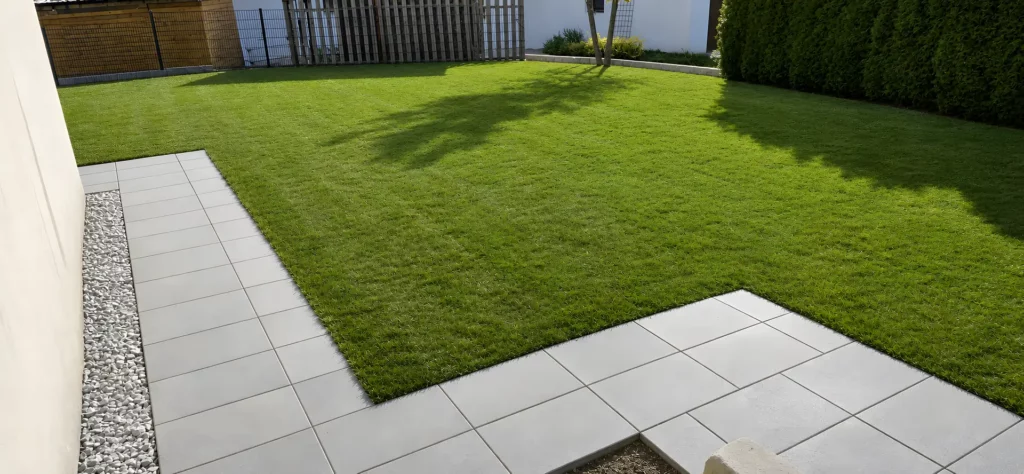
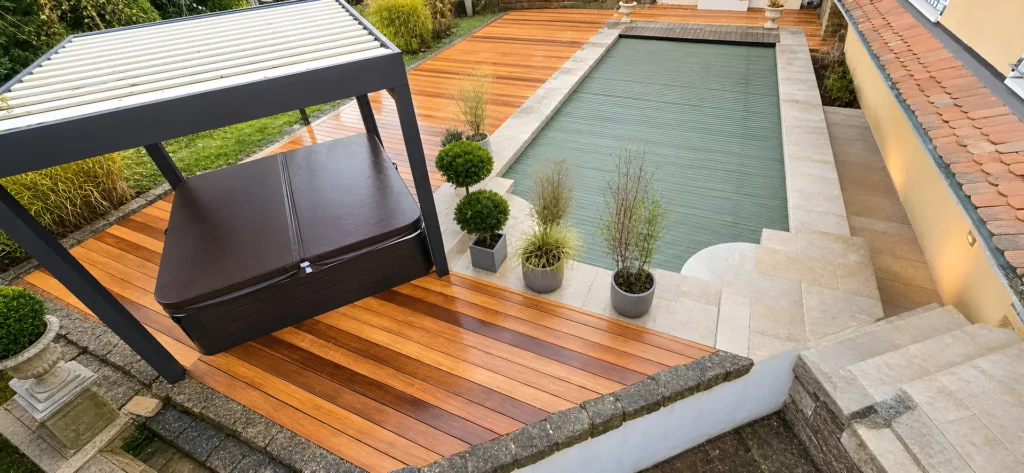
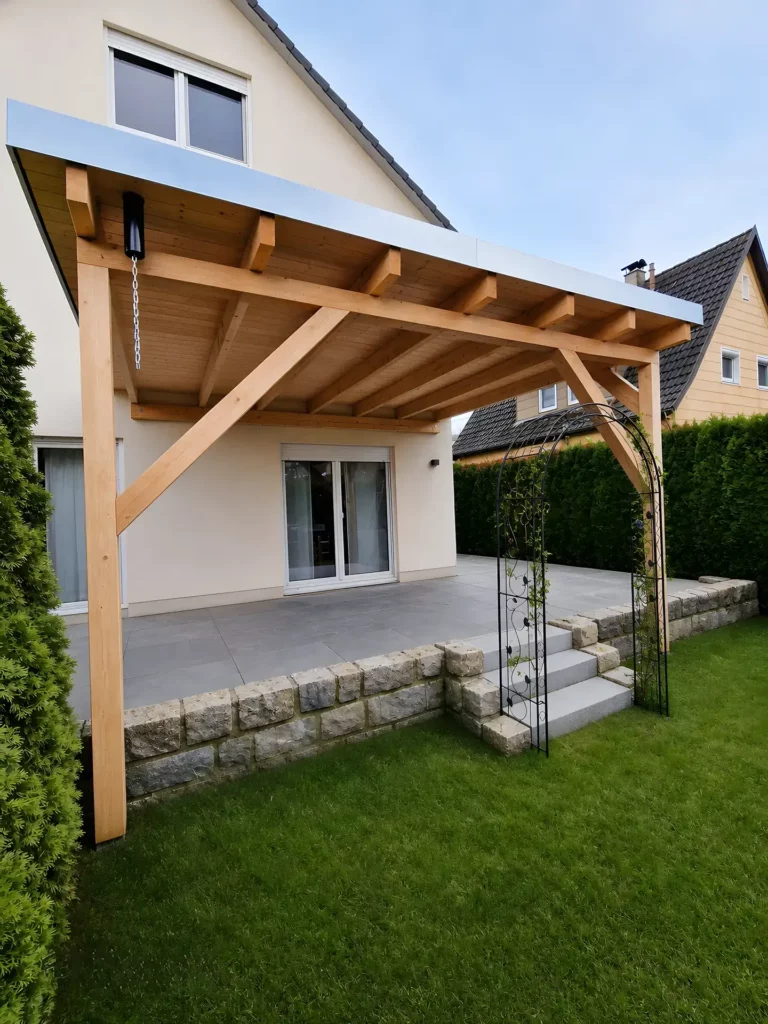
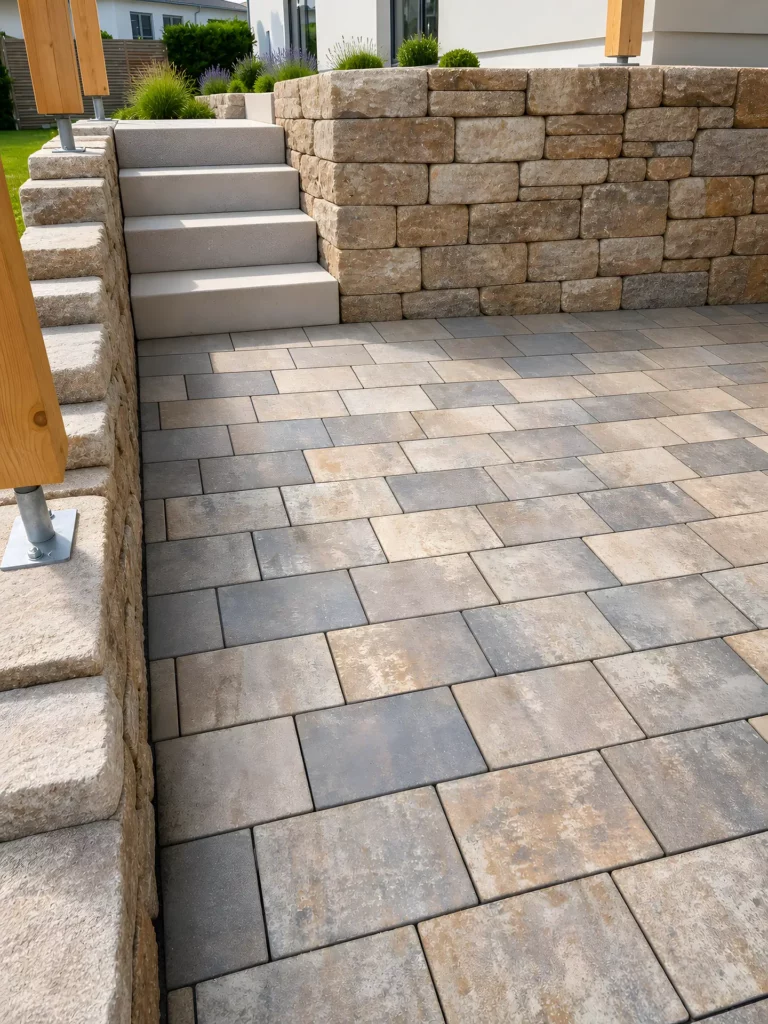
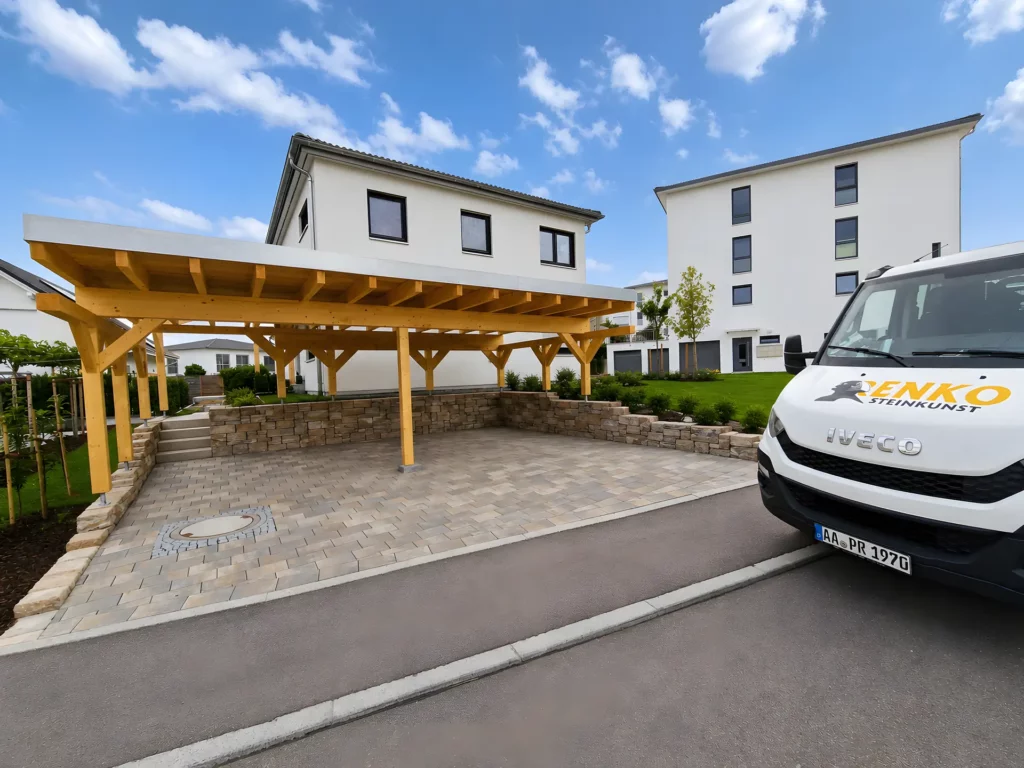
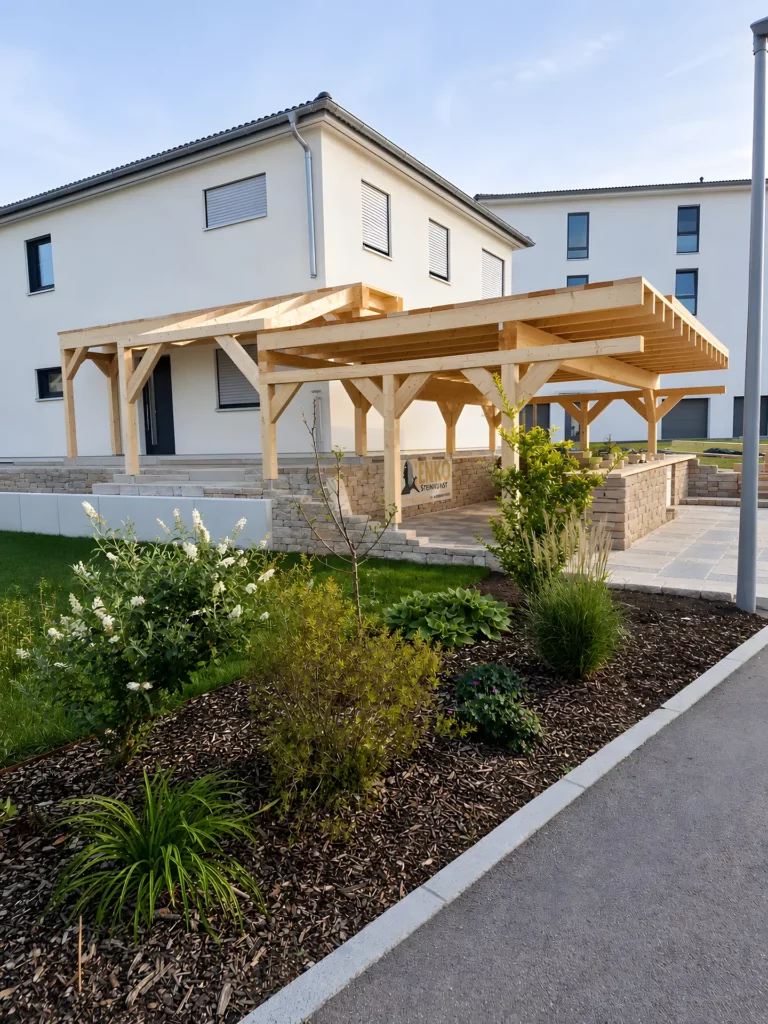
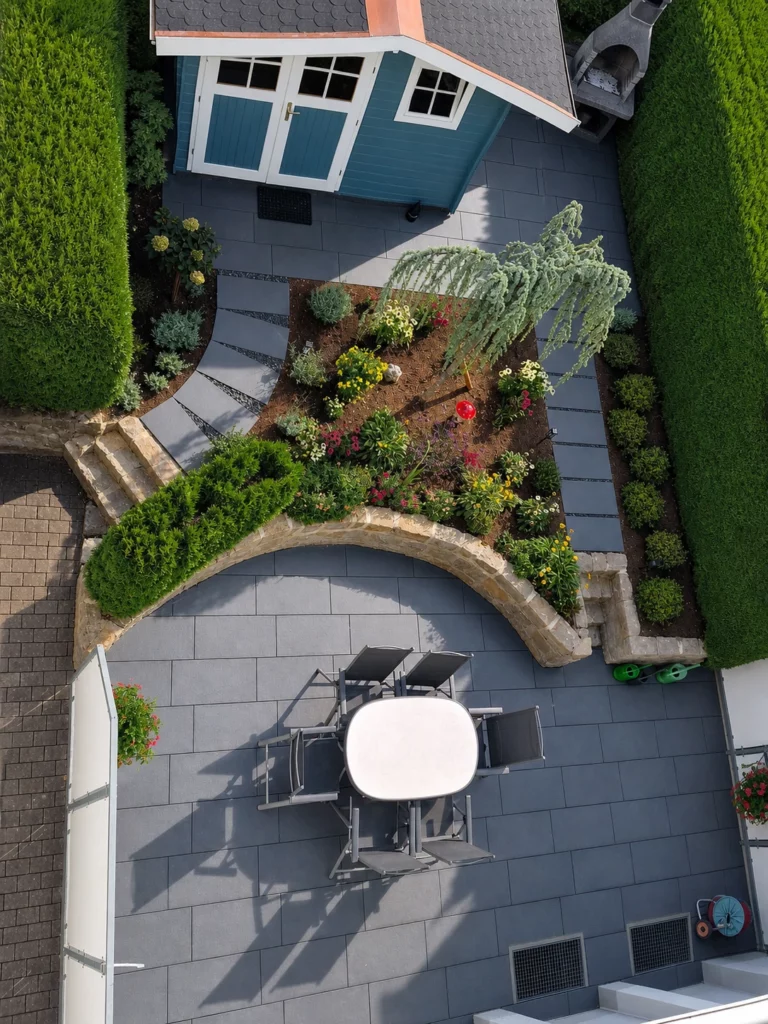
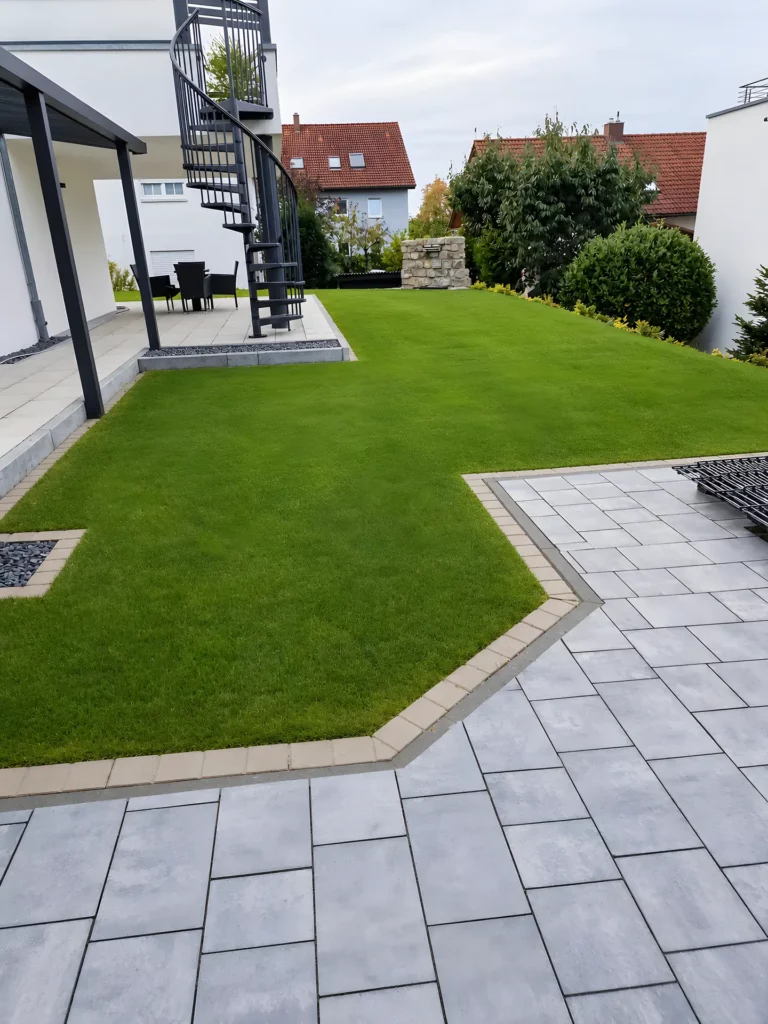
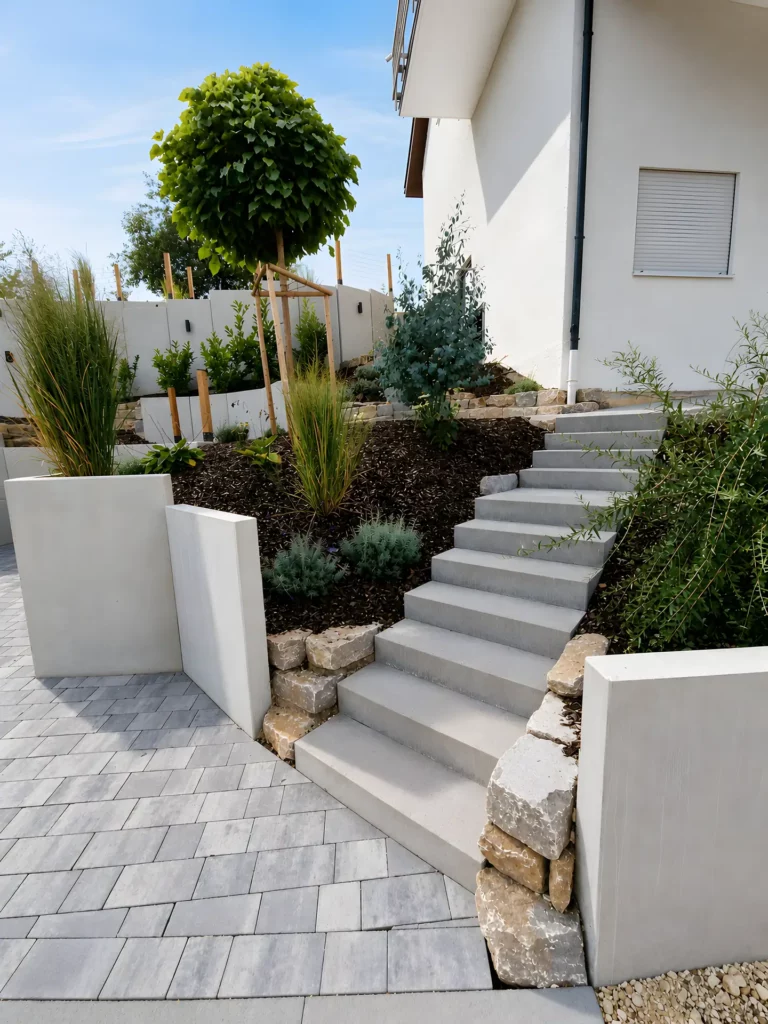
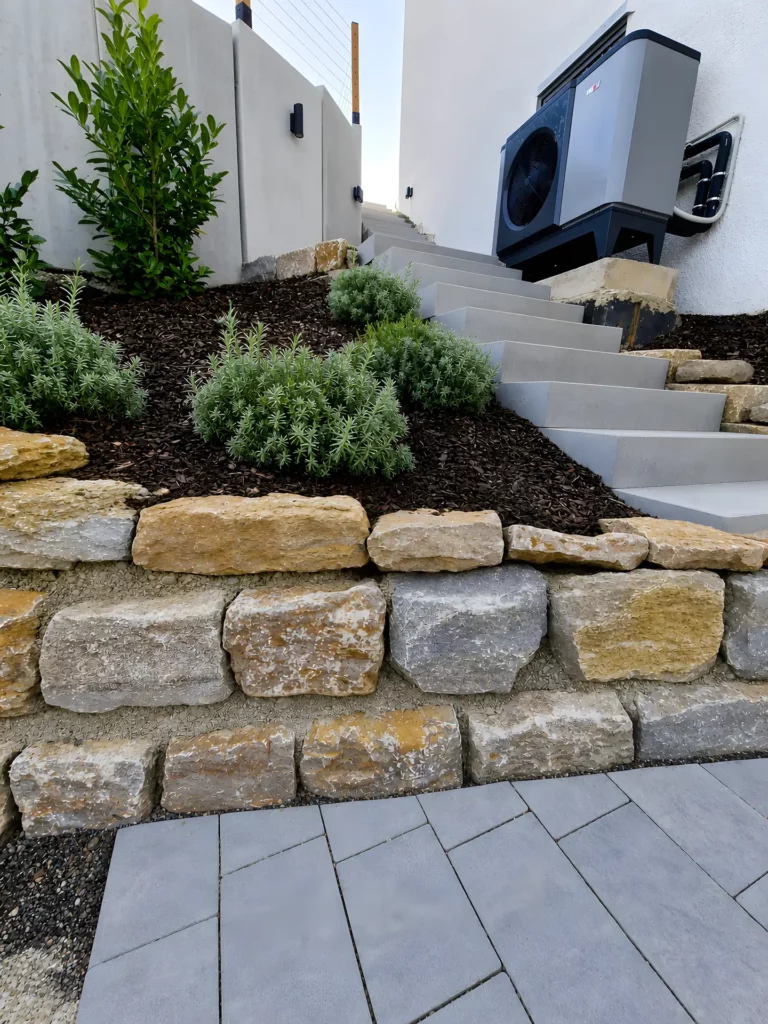
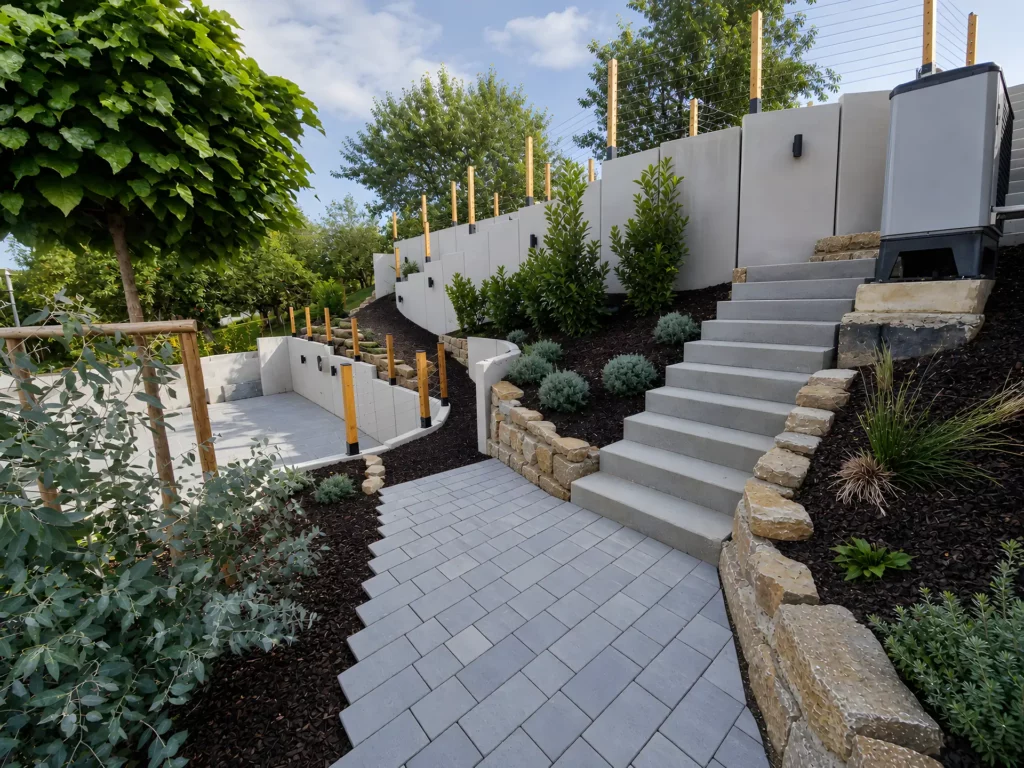
Every property begins with a different set of conditions. The images below show how varied the finished solutions can look in practice.
Tell us more about your next project.
Send us a brief outline of what you have in mind. We will get back to you, arrange a suitable appointment, and prepare a clear proposal for you.